
Migrants’ Intersecting Experiences with Housing in Agriculture (MIHA)

Follow this website for updates and additional information about MIHA.

About Us

MIHA Project

Contact Us
News and Updates

National Housing Standards for Migrant Agricultural Workers
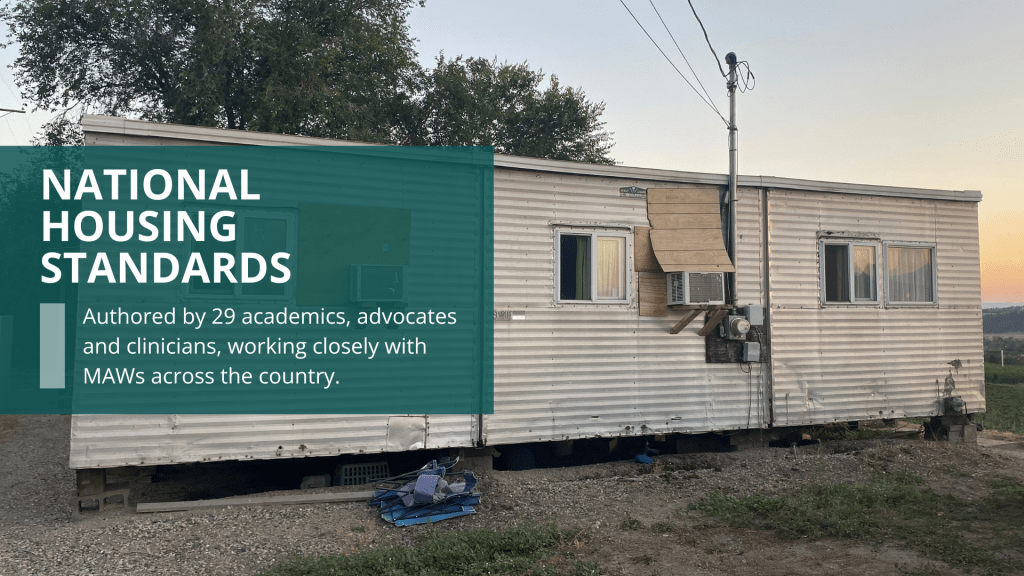
Authored by 29 academics, advocates and clinicians working closely with migrant agricultural workers across the country, this consensus-based document prescribes several recommendations for health and dignified homes for migrant agricultural workers.
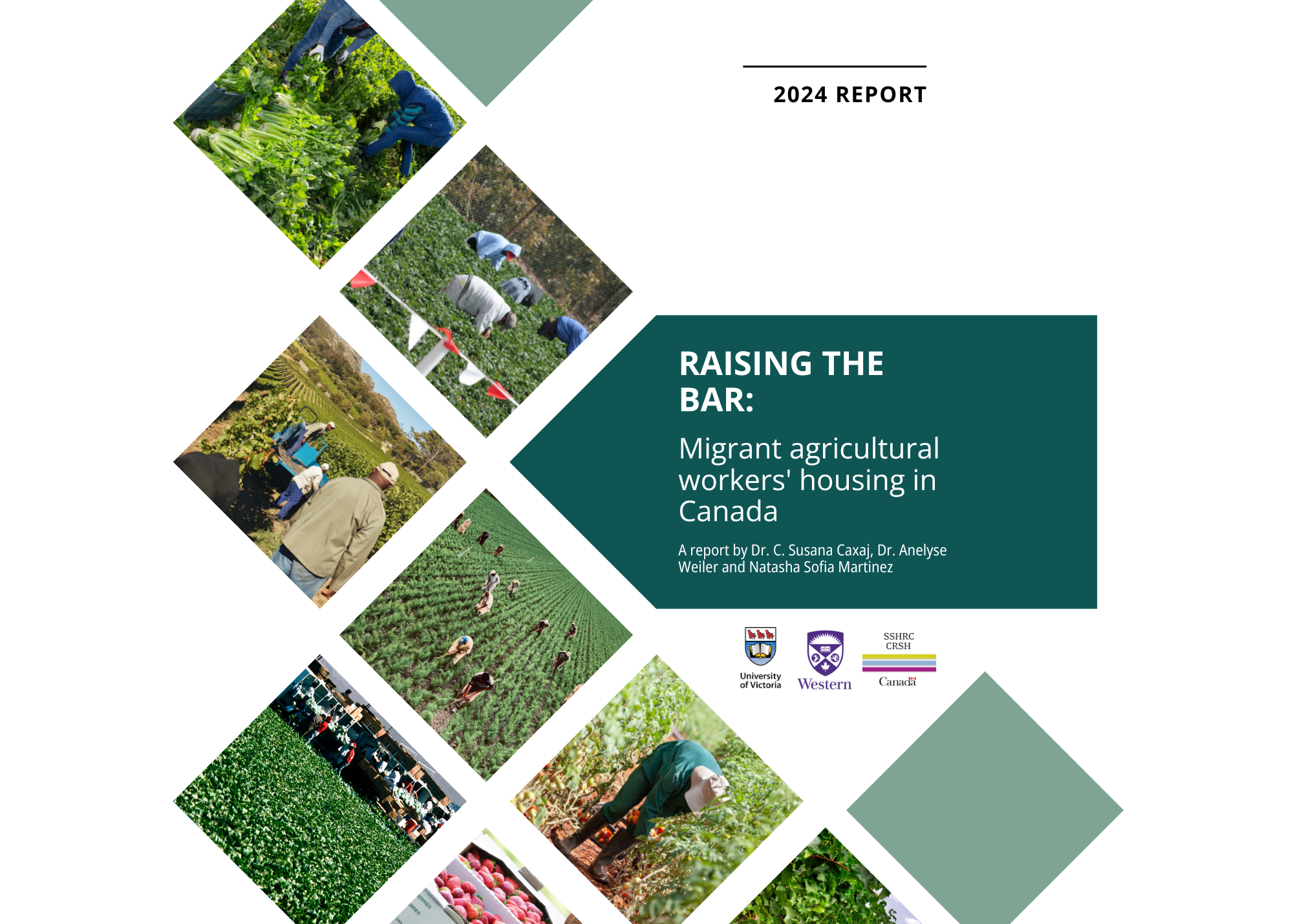
Raising the Bar: Migrant agricultural workers’ housing in Canada
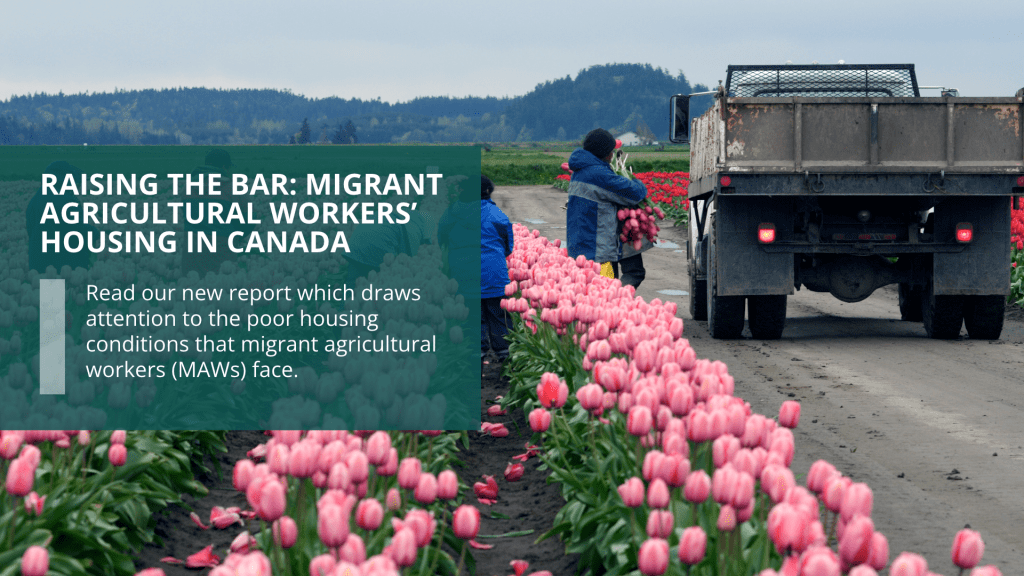
This report draws further attention to the poor housing conditions that migrant agricultural workers (MAWs) face, which are often isolating, undignified, and unsafe. Safe and quality housing is essential to protect the physical and mental health of migrant agricultural workers.

Migrant agricultural workers face various health inequities that have led to preventable illness and death. This paper investigates how material housing conditions have shaped physical and mental health outcomes for temporary foreign workers in Canadian agriculture. Our review revealed a range of housing-related health risks, including: (1) Sanitation, food security, and water; (2) Thermal safety, electricity, and utilities; (3) Habitability of structure, air quality, and exposure to hazards; (4) Spacing, privacy, and co-worker relations and; (5) Geographic proximity to necessary services and social opportunities.
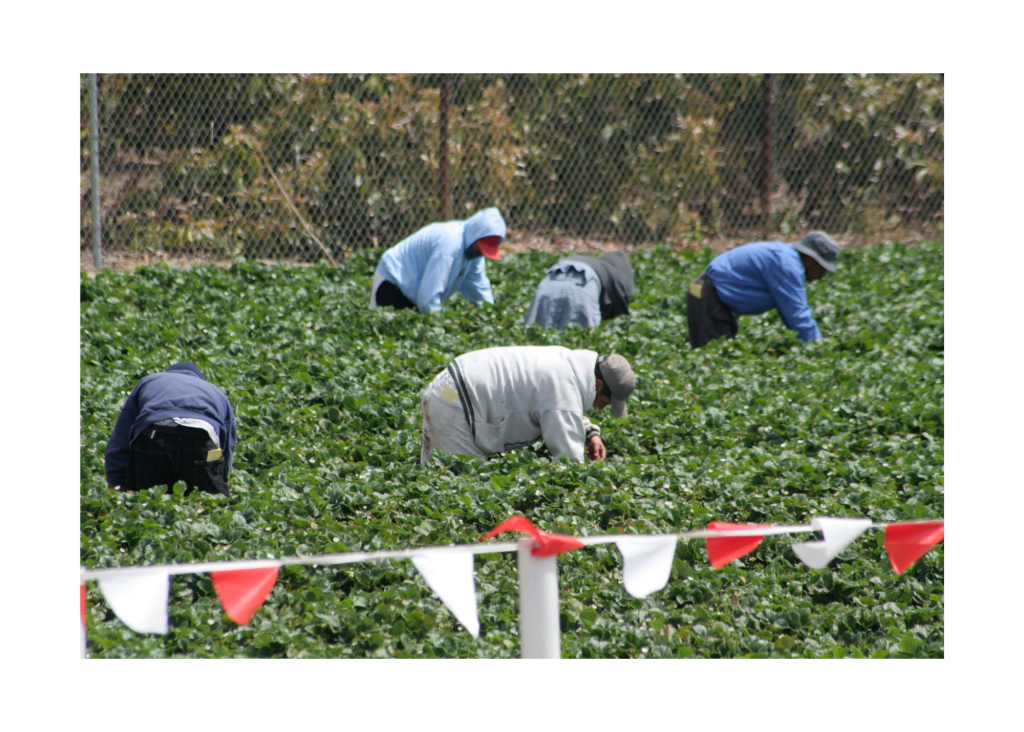
The housing crisis hitting migrant agricultural workers in Canada
Many Canadians are all-too familiar with the current housing crisis in cities. However, policymakers have been overlooking a parallel crisis hitting rural areas. Agricultural workers hired through the Temporary Foreign Worker Program often live in employer-provided housing that Canadians would refuse.
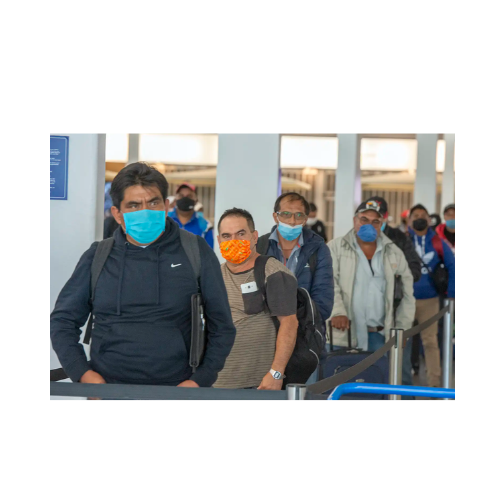
For migrant farm workers, housing is not just a determinant of health, but a determinant of death
Imagine if, during the height of the COVID-19 pandemic — before vaccines were available — you had to share a cramped bunkhouse with a dozen co-workers. Imagine if your employer forbid you from having personal visitors, or if you had to ask your boss for permission to visit the doctor.